
Introduction
Have you ever wondered why there’s a delay between the time you make a sale and when you actually see the money in your account? That’s because of something known as the payout hold period, an integral part of financial transactions that often leaves people scratching their heads. But don’t worry, I’m here to help you understand this concept better and how it impacts your business.
The payout hold period is a reality in the world of e-commerce, freelance work, and anywhere else where online transactions occur. But what exactly is it? How does it work? And more importantly, how can you navigate it effectively? Let’s dive in and explore these questions together.
What is a Payout Hold Period?
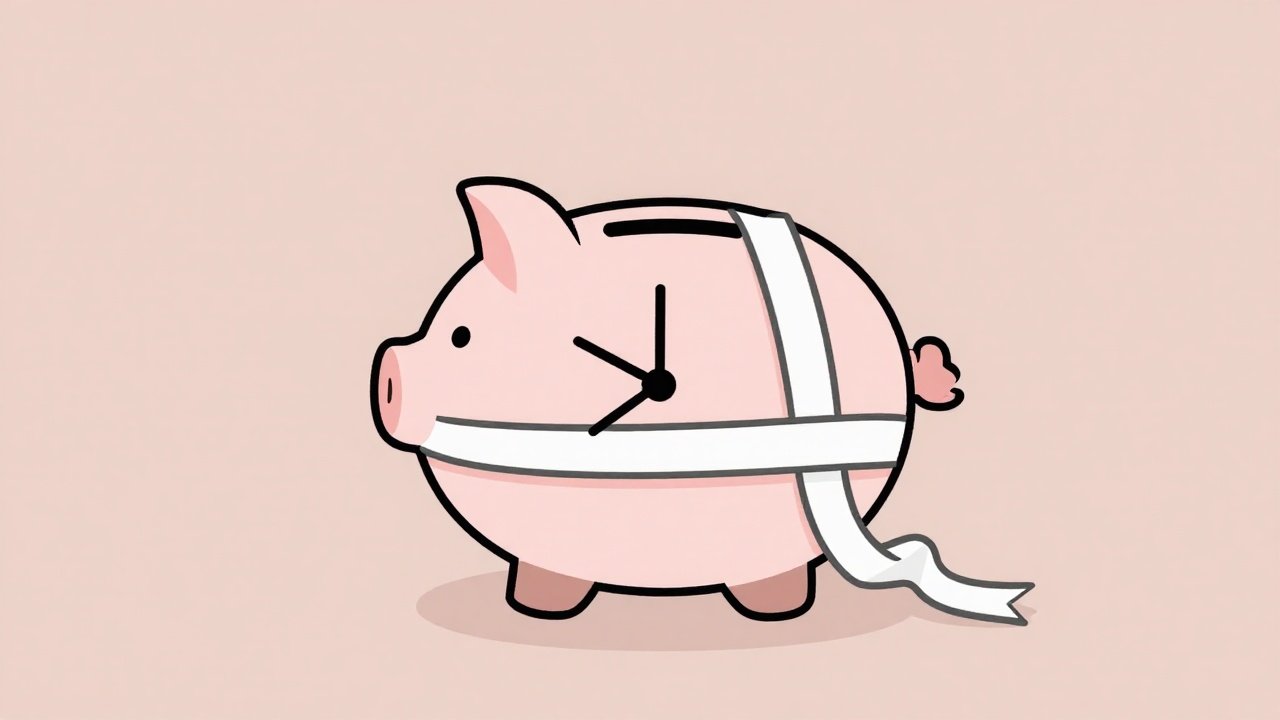
Simply put, a payout hold period is the time it takes for funds from a transaction to be available in your bank account. This period is usually between 2-7 business days, but can vary depending on the payment processor, the type of transaction, and other factors.
For instance, if you’re a freelancer and you receive payment for a project, the money doesn’t immediately show up in your account. Instead, it goes through a payout hold period before it becomes accessible to you. This is to ensure the security of the transaction and to protect both parties involved.
Why Do Payout Hold Periods Exist?
Payout hold periods aren’t there just to make life difficult for you. They serve a few important purposes. Firstly, they protect against fraud. By holding the funds for a few days, payment processors can verify the legitimacy of the transaction and ensure that it’s not fraudulent.
Secondly, payout hold periods protect against chargebacks. A chargeback occurs when a customer disputes a charge and asks their bank to reverse it. If the funds were immediately available, you could potentially lose money if a chargeback occurs.
How to Navigate Payout Hold Periods
Now that we’ve established what payout hold periods are and why they exist, let’s talk about how you can navigate them. One of the most important things to do is to plan your cash flow accordingly. Since you know that there will be a delay in receiving your funds, make sure you have enough cash on hand to cover your expenses in the meantime.
Another tip is to maintain a good relationship with your payment processor. If you’re a reputable business and you’ve never had any issues with fraud or chargebacks, your payment processor might be willing to shorten your payout hold period.
Strategies to Minimize the Impact of Payout Hold Periods
While you can’t completely eliminate payout hold periods, there are several strategies you can implement to minimize their impact on your business. One strategy is to diversify your payment methods. By accepting payments from multiple sources, you can ensure that your cash flow isn’t completely dependent on one payment processor.
Another strategy is to negotiate shorter payout hold periods with your payment processor. If you have a good track record and a strong relationship with them, they might be willing to accommodate your request.
Conclusion
Understanding payout hold periods is crucial for anyone involved in online transactions. While they can be a source of frustration, they’re an important part of protecting both parties involved in a transaction. By planning your cash flow accordingly and maintaining a good relationship with your payment processor, you can navigate these periods effectively and ensure the smooth running of your business.
Remember, payout hold periods aren’t there to hinder your business, but to protect it. With the right strategies, you can minimize their impact and continue to grow your business successfully.