
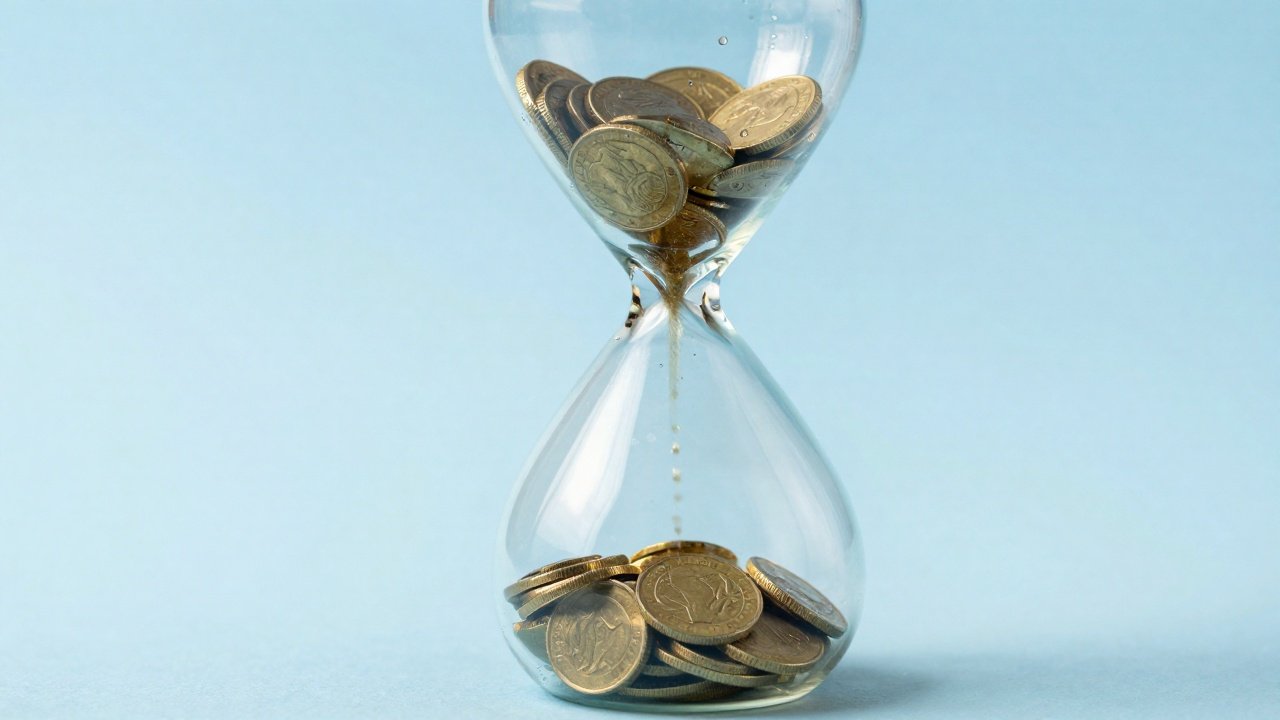
Introduction: The Intricacies of Payout Hold Periods
If you’ve ever dabbled in the world of online transactions, whether as a merchant or a freelancer, you’ve probably come across the term ‘payout hold period.’ It’s a term that throws many for a loop, and with good reason. It’s a concept that’s often shrouded in confusion and, sometimes, frustration. But why does this waiting period exist, and how can you effectively navigate it? That’s what we’ll explore today.
What Exactly is a Payout Hold Period?
A payout hold period is a span of time that payment platforms or financial institutions impose before you can access your funds. This delay can range from a few days to a few weeks, depending on the platform or institution you’re dealing with.
Let’s say you’re a freelance writer who just got paid for a project via PayPal. Instead of the money being instantly available, it might be held for 24 hours or more. This delay is the payout hold period.
The Reasoning Behind Payout Hold Periods
Many people find payout hold periods inconvenient, and it’s understandable. After all, when you’ve worked hard for your money, the last thing you want is a delay in accessing it. However, these hold periods are in place for a reason.
One of the primary reasons is fraud prevention. By holding funds for a certain period, payment processors can verify transactions and ensure they’re legitimate before releasing the funds. This helps protect both parties involved in the transaction.
Another reason is to manage the risk of chargebacks. If a customer disputes a transaction (for example, if they didn’t receive the goods or services they paid for), the payment processor can refund the money from the held funds, rather than having to chase the merchant for it.
Navigating Payout Hold Periods: Tips and Strategies
Now that we’ve established what payout hold periods are and why they exist, let’s delve into how you can navigate them effectively.
Firstly, always be aware of the policies of your payment platform or financial institution. Different platforms have different hold periods and different conditions that can trigger them. By understanding these policies, you can plan your transactions accordingly and avoid unnecessary delays.
Secondly, maintain a good transaction history. Most platforms take your past behavior into account when deciding whether to impose a hold period. If you’ve had a lot of disputed transactions or chargebacks in the past, you’re more likely to have your funds held. So, strive to provide excellent service or products and resolve any issues promptly to maintain a positive track record.
Reducing the Impact of Payout Hold Periods
While payout hold periods are a fact of life in online transactions, there are ways to mitigate their impact on your cash flow.
One strategy is to diversify your payment platforms. If one platform holds your funds, having alternatives can ensure you still have access to some cash. However, remember to consider the fees and conditions of each platform before jumping in.
Another strategy is to negotiate shorter hold periods. If you’ve been with a platform for a while and have a solid track record, you might be able to convince them to reduce your hold period. It’s not a guaranteed success, but it’s worth a shot.
Conclusion: Embracing the Wait
While payout hold periods can be a source of frustration, understanding why they exist and how to navigate them can make the process less daunting. By staying informed, maintaining a good transaction history, and employing strategies to mitigate their impact, you can make payout hold periods work for you, rather than against you.