
Introduction
When I first heard the term EPC, I was baffled. What was this mysterious acronym and why was it so important in the energy sector? As time went on, I immersed myself in understanding this concept and its significance. So, today, I want to take you on a journey of understanding Energy Performance Certificates (EPCs), just as I have.
Whether you’re a homeowner, a tenant, or an investor, understanding EPCs is crucial. Not only does it affect your energy bills, but it also influences your choices regarding energy efficiency and environmental footprint. So, let’s dive into the world of EPCs together.
What Is An EPC?
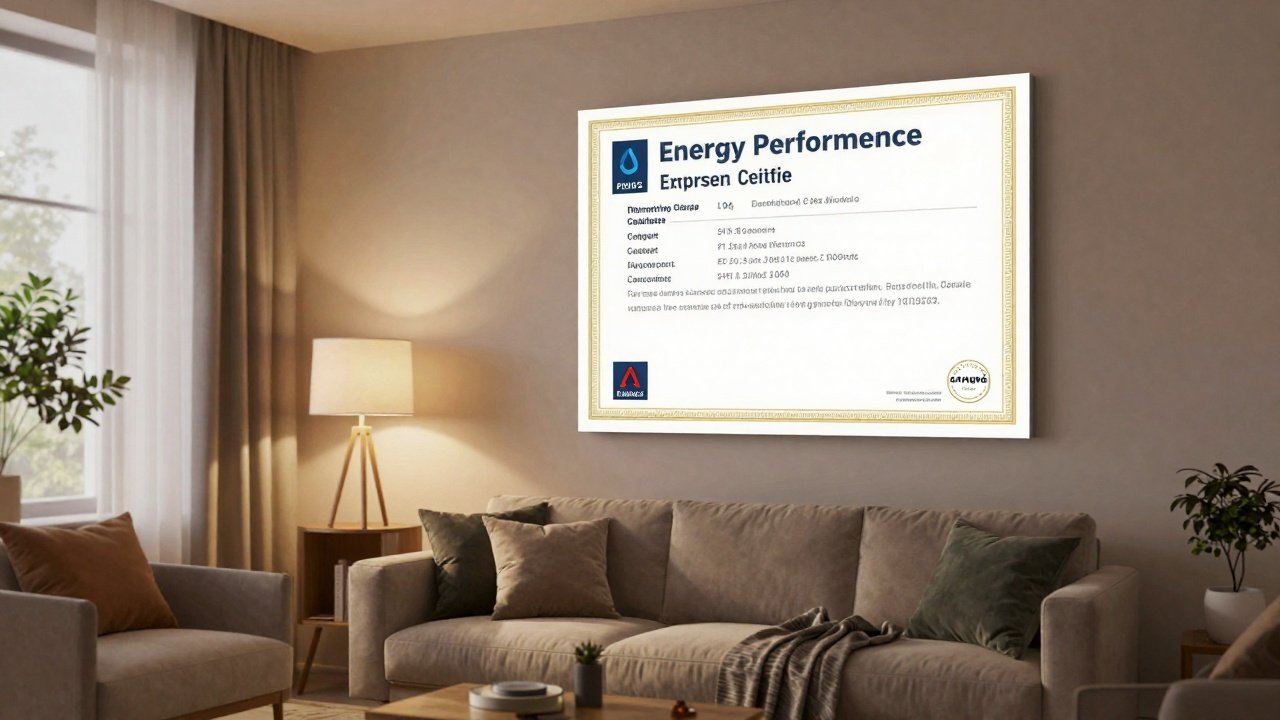
Energy Performance Certificates (EPCs) are mandatory documents that provide an energy efficiency rating for buildings. They give a snapshot of how energy efficient your property is, graded from A (most efficient) to G (least efficient). EPCs are required whenever a property is built, sold, or rented.
Why should you care? Well, an EPC not only gives you an idea of how much your energy bills might be but also outlines the potential improvements that could save you money and increase your property’s energy efficiency. It’s a win-win!
Why Is EPC Important?
Aside from being a legal requirement, EPCs are essential for a myriad of reasons. For starters, a higher EPC rating can increase the value of your property. According to the UK’s Department for Energy and Climate Change, improving your EPC rating from G to E could increase your property’s value by 6%.
Moreover, with the world increasingly focused on sustainability, a good EPC rating shows your commitment to energy efficiency and reducing carbon emissions. It’s a small but significant step towards a greener future.
Improving Your EPC Rating
So, how can you improve your EPC rating? There are several ways, ranging from simple measures to more substantial renovations. Insulating your home, installing double-glazing, and upgrading your boiler are all effective ways to improve your EPC rating. But remember, it’s not just about doing these improvements, but doing them well. Poorly installed insulation won’t get you far.
For example, in my own home, I installed solar panels. Not only did this drastically improve my EPC rating, but it also significantly cut down my energy bills. It’s an investment that pays for itself in the long run.
Navigating The EPC Process
Getting an EPC might seem daunting, but it doesn’t have to be. A certified energy assessor will visit your property, evaluate its energy performance, and provide you with an EPC. The assessment typically takes 1-2 hours and involves looking at your heating system, insulation, windows, and other factors.
In my case, I found a local assessor online, checked their credentials, and booked an appointment. Remember, it’s important to prepare for the visit by having relevant documents ready, such as building plans or details of any energy-saving improvements.
Conclusion
Understanding EPCs has been a valuable journey for me. It’s helped me make informed decisions about my home, save money, and contribute to a more sustainable future. I hope this post has shed some light on the importance of EPCs and how you can navigate this process. Remember, improving your EPC rating is not just a legal requirement; it’s an investment in your property and our planet.